
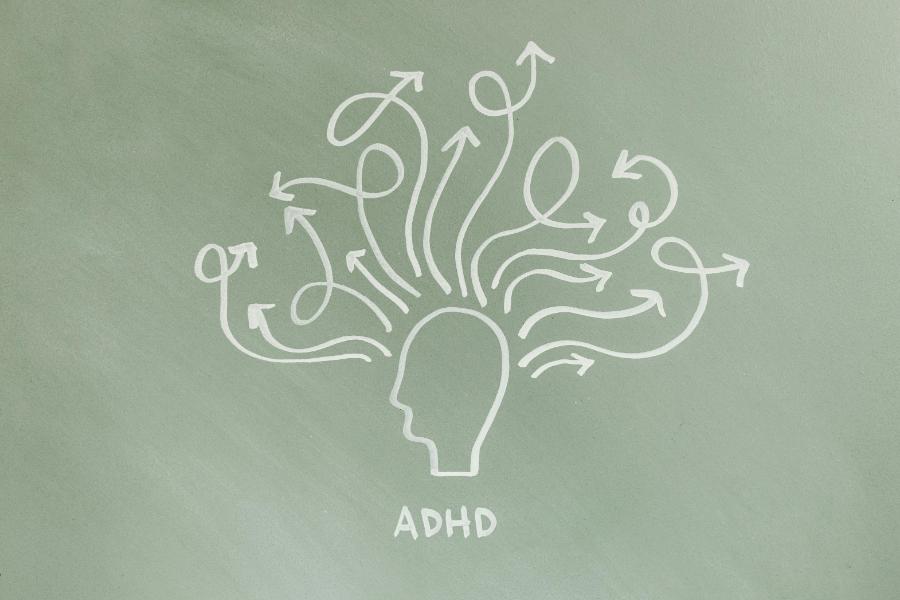
Attention Deficit Hyperactivity Disorder (ADHD) is often thought of as a childhood condition, but millions of adults live with undiagnosed ADHD. In fact, research suggests that approximately 4.4% of adults in the United States have ADHD, and many do not receive a diagnosis until their 30s, 40s, or even later. Adult ADHD can look very different from the hyperactive child most people picture, which is why it so often goes unrecognized.
Many adults with ADHD have developed coping mechanisms over the years that mask their symptoms. They may have been labeled as lazy, disorganized, or simply not living up to their potential during childhood. Women are particularly underdiagnosed because they are more likely to present with the inattentive type of ADHD rather than the hyperactive type that is more commonly recognized in boys.
As life demands increase with career responsibilities, relationships, and parenting, the coping strategies that worked in the past may begin to break down, making symptoms more apparent and disruptive.
Adults with ADHD often struggle to keep their lives organized. This goes beyond occasional messiness. It may look like consistently losing important items such as keys, wallets, or documents, having a cluttered workspace that makes it hard to find what you need, struggling to maintain filing systems or organizational routines, and feeling overwhelmed by tasks that require multiple steps or long-term planning.
Time blindness is one of the most common and impactful symptoms of adult ADHD. You may consistently underestimate how long tasks will take, frequently run late despite your best efforts, procrastinate on important tasks until the last minute, or have difficulty prioritizing when multiple deadlines are approaching.
While the stereotype of ADHD involves an inability to pay attention, the reality is more nuanced. Adults with ADHD can often hyperfocus on tasks they find interesting while struggling to maintain attention on routine or mundane activities. You may zone out during meetings or conversations, start many projects but finish few of them, get easily distracted by external stimuli or your own thoughts, or have trouble following through on instructions or completing paperwork.
Impulsivity in adults with ADHD may not look like the physical impulsiveness seen in children. Instead, it might manifest as interrupting others in conversation without realizing it, making impulsive purchases or financial decisions, speaking without thinking and later regretting what was said, or difficulty waiting your turn in lines or group situations.
Many adults with ADHD experience intense emotions that can feel difficult to control. This emotional dysregulation is one of the most overlooked symptoms and can include quick frustration or irritability over minor issues, difficulty recovering from disappointments or setbacks, mood swings that seem disproportionate to the situation, and feeling easily overwhelmed by stress.
While children with ADHD may be physically hyperactive, adults often experience this as an internal restlessness. You might feel a constant need to be doing something, have difficulty relaxing or sitting still during leisure time, fidget with objects or tap your feet during meetings, or feel mentally restless even when physically still.
ADHD can significantly impact personal relationships. Partners may feel ignored when you lose focus during conversations, forgotten commitments and missed dates can create tension, difficulty with emotional regulation can lead to arguments, and the ADHD partner may feel criticized while their partner feels neglected.
Many symptoms of adult ADHD overlap with other mental health conditions, which is why a thorough psychiatric evaluation is essential. ADHD is commonly confused with or coexists alongside anxiety disorders, depression, bipolar disorder, and sleep disorders. A board-certified psychiatrist can differentiate between these conditions and develop an accurate diagnosis.
If you recognize several of these signs in yourself, seeking a professional evaluation is the first step toward getting the support you need. An ADHD diagnosis in adulthood can be life-changing. Many patients describe feeling a sense of relief and validation when they finally understand why they have struggled with certain aspects of life.
Treatment for adult ADHD typically includes medication management with stimulant or non-stimulant medications, behavioral strategies for organization and time management, and therapy to address the emotional impact of living with undiagnosed ADHD. At Elevate Psychiatry, our psychiatrists have extensive experience diagnosing and treating adult ADHD. We offer comprehensive evaluations at our Doral, Brickell, and Coconut Grove locations, as well as virtual appointments throughout Florida.
Do not let another year go by wondering if ADHD is affecting your life. Schedule your evaluation today.
Think you might have ADHD? Elevate Psychiatry offers comprehensive ADHD evaluations and treatment for adults, teens, and children at our Miami locations and virtually across Florida.